The Integration of Cannabis into Holistic Health Practices: The Role of a Cannabis Dispensary
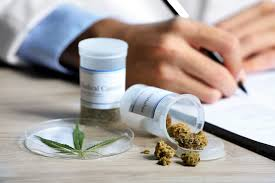
In recent years, the perception of cannabis has shifted dramatically. Once seen through a lens of stigma, cannabis is now widely recognized for its potential health benefits and is increasingly being integrated into holistic health and wellness practices. This transformation has resulted in a growing interest among individuals seeking natural alternatives to enhance their overall well-being. As public awareness of the advantages of cannabis increases, the role of a cannabis dispensary becomes crucial in providing safe access to products, as well as informed guidance related to various cannabis offerings.
Understanding Holistic Health
Holistic health is a comprehensive approach that considers the individual as an interconnected entity—encompassing mind, body, and spirit—in the pursuit of optimal wellness. This philosophy advocates for practices that nurture balance among these components, recognizing their interplay in achieving health goals. Within this framework, cannabis is gaining traction for its potential to address a myriad of health concerns, achieving both physical and psychological benefits.
The Therapeutic Benefits of Cannabis
Cannabis comprises numerous compounds known as cannabinoids, with tetrahydrocannabinol (THC) and cannabidiol (CBD) being the most prominent. These cannabinoids interact with the body’s endocannabinoid system, a crucial regulatory network governing various physiological functions, including mood regulation, pain perception, and inflammation response.
- Pain Management: One of the most notable applications of cannabis is in pain relief. Many individuals grappling with chronic pain conditions, such as arthritis or fibromyalgia, report significant alleviation when utilizing cannabis-based products. The anti-inflammatory properties inherent to cannabis make it an attractive option for those seeking natural remedies, allowing users to manage discomfort effectively while minimizing reliance on pharmaceutical interventions.
- Mental Health Support: Mental health conditions, including anxiety and depression, can profoundly affect one’s quality of life. Emerging research suggests that CBD, in particular, may help alleviate symptoms of anxiety and depression in certain populations. The calming effects of cannabis can foster improved mental wellness, equipping individuals to navigate daily challenges with greater resilience and clarity.
- Sleep Enhancement: Cognitive and physical well-being are deeply tied to quality sleep, yet sleep disorders affect millions. Cannabis has been identified for its potential to improve sleep quality, aiding individuals in both falling asleep more rapidly and achieving more restorative sleep cycles. By promoting better sleep, cannabis can substantially contribute to overall health and wellness.
Incorporating Cannabis into Holistic Practices
Integrating cannabis into holistic health routines can be accomplished through various methods, tailored to the individual’s preferences and health objectives:
- Cannabis Oils and Tinctures: These products offer versatility and precise dosing, often administered sublingually for quick absorption. They provide a convenient and effective way for users to experience the benefits of cannabis.
- Edibles: For those who favor more palatable consumption methods, edibles present a flavorful alternative. From gummies to baked goods, edibles offer a diverse range of experiences that can cater to different tastes.
- Topicals: Infused lotions and balms can provide localized relief from pain or inflammation, allowing users to target specific areas without experiencing psychoactive effects.
Finding Quality at Your Local Cannabis Dispensary
When considering the incorporation of cannabis for holistic health, sourcing high-quality products is essential. This necessity underscores the importance of cannabis dispensaries, such as Public Absecon Dispensary, which serve as reliable resources in this evolving landscape. With knowledgeable staff members and a comprehensive array of products, dispensaries can assist consumers in selecting appropriate cannabis options that align with their personal wellness goals.
Moreover, many dispensaries offer educational resources, including workshops and informational sessions that equip customers with knowledge about various cannabis strains, consumption methods, and potential health benefits. Such educational initiatives empower individuals to make informed decisions, enhancing their journey toward holistic health.
Conclusion
As the understanding and acceptance of cannabis continue to progress, its significance within holistic health practices becomes increasingly evident. By addressing multifaceted health concerns, cannabis presents a compelling natural alternative for those looking to improve their overall well-being. With proper guidance from reputable sources, such as cannabis dispensaries, individuals can explore the vast array of benefits that this remarkable plant provides. Embracing cannabis as a fundamental aspect of a holistic approach has the potential to enrich health, elevate the quality of life, and deepen self-connection.