LED Face Mask: A Comprehensive Guide to Radiant Skin
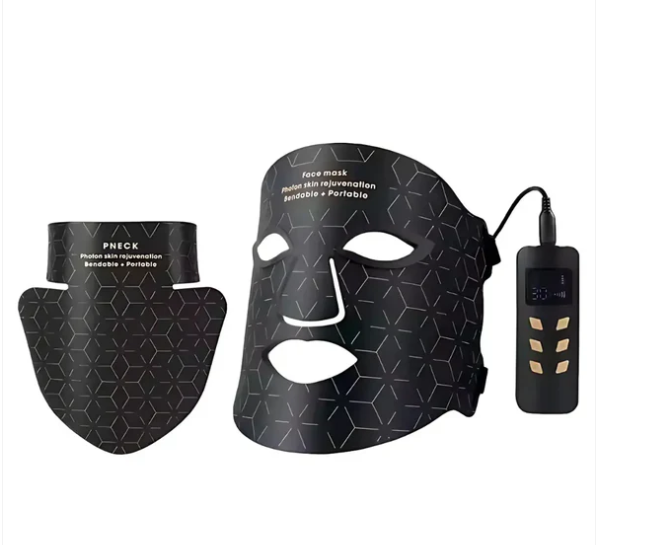
In recent years, LED technology has revolutionized skincare, offering professional-level treatments that were once exclusive to clinics. One of the most popular innovations is the LED face mask, which utilizes light therapy to target various skin concerns. These masks are designed to improve skin texture, reduce signs of aging, and address acne, making them a versatile tool in any skincare routine.
By understanding how these masks work and incorporating them correctly into your routine, you can achieve healthier, glowing skin without invasive procedures. This guide will explore the science, benefits, and usage of LED face masks, helping you make an informed choice.
How LED Face Masks Work
LED face masks operate on a principle called phototherapy or light therapy. Different wavelengths of light penetrate the skin at varying depths, stimulating cellular activity and promoting natural healing processes. Here’s a breakdown of the most common types:
- Red Light (630–700 nm): Stimulates collagen production, reduces fine lines, and improves overall skin elasticity.
- Blue Light (405–420 nm): Targets acne-causing bacteria, helping to reduce breakouts and prevent future blemishes.
- Green Light (520–560 nm): Helps with pigmentation issues, evening out skin tone and calming inflammation.
- Yellow Light (570–590 nm): Enhances skin radiance, improves blood circulation, and supports lymphatic drainage.
By selecting a mask with multiple light options, you can customize treatments to meet your specific skin needs.
Benefits of Using an LED Face Mask
The LED face mask offers numerous benefits for a variety of skin types and concerns:
- Anti-Aging: Regular use stimulates collagen and elastin production, reducing wrinkles and fine lines over time.
- Acne Management: Blue light penetrates the skin to kill acne-causing bacteria, reducing breakouts without harsh chemicals.
- Improved Skin Texture: Red light encourages cellular repair, resulting in smoother, firmer skin.
- Pigmentation Reduction: Green and yellow lights can reduce dark spots and even out skin tone.
- Non-Invasive: Unlike treatments such as chemical peels or microdermabrasion, LED masks are gentle and painless.
- Time-Efficient: Sessions are typically short, around 10–20 minutes, making it easy to integrate into your routine.
These benefits make LED masks suitable for both preventative and corrective skincare measures.
How to Use an LED Face Mask
To maximize the effectiveness of your LED mask, proper usage is essential. Follow these steps for the best results:
- Cleanse Your Face: Remove makeup, dirt, and oil to allow light to penetrate the skin effectively.
- Position the Mask: Place the mask comfortably over your face, securing it if straps are provided.
- Choose the Right Light: Select the appropriate light wavelength based on your skin concerns.
- Set the Timer: Most masks come with preset durations, typically 10–20 minutes. Avoid exceeding recommended times.
- Relax and Let It Work: Sit or lie down while the mask treats your skin. You can listen to music or meditate during the session.
- Follow Up: After treatment, apply your regular serum or moisturizer to lock in hydration.
Tips for Consistency:
- Use the mask 3–5 times per week initially, then reduce frequency to 1–2 times per week for maintenance.
- Avoid combining with harsh chemical treatments immediately before or after sessions to prevent irritation.
Safety Considerations
LED face masks are generally safe for all skin types, but a few precautions can enhance safety:
- Avoid Eye Exposure: Many masks have built-in eye protection, but never stare directly into the LEDs.
- Consult a Dermatologist: If you have photosensitive skin, medications, or specific skin conditions, consult a professional first.
- Patch Test: For first-time users, test the mask on a small area to ensure no adverse reaction occurs.
- Clean Regularly: Wipe the mask with a gentle disinfectant to maintain hygiene and prevent bacterial buildup.
Following these simple precautions ensures that your LED mask experience is both safe and effective.
Who Can Benefit from an LED Mask?
Almost anyone can benefit from LED therapy, though results may vary based on individual skin type and concerns. Key groups include:
- Individuals with Acne-Prone Skin: Blue light helps prevent and treat breakouts.
- Those Concerned About Aging: Red light boosts collagen and reduces fine lines.
- People with Uneven Skin Tone: Green and yellow lights help manage pigmentation and redness.
- Busy Professionals: LED masks offer quick, at-home treatments without disrupting daily routines.
By understanding your skin goals, you can choose the appropriate mask settings and frequency for maximum results.
Integrating LED Masks into Your Skincare Routine
For optimal outcomes, LED masks should complement, not replace, your existing skincare regimen. Here’s how to integrate them effectively:
- Morning Routine: Use a short LED session before applying sunscreen for a radiant start to your day.
- Evening Routine: Apply serums or moisturizers after an evening session to enhance absorption.
- Combine with Targeted Treatments: For example, use LED therapy in combination with retinol or hyaluronic acid under professional guidance.
Consistency is key; visible results typically appear after several weeks of regular use.
Advantages Over Traditional Treatments
Compared to in-office treatments, LED masks offer several distinct advantages:
- Cost-Effective: One-time purchase provides long-term use without recurring fees.
- Convenient: Treat your skin at home, eliminating the need for frequent appointments.
- Painless: Unlike laser or chemical procedures, LED therapy is non-invasive and comfortable.
- Customizable: Multiple light settings allow you to target specific concerns as they arise.
These factors make LED face masks a popular choice for those seeking effective, non-invasive skincare solutions.
Conclusion
LED face mask represent a breakthrough in at-home skincare, combining science and convenience to address multiple skin concerns. From reducing acne to combating signs of aging, these devices provide professional-level benefits in a simple, non-invasive format. By following proper usage guidelines and incorporating the masks into your routine, you can achieve healthier, glowing skin over time.
Whether you’re new to light therapy or seeking to enhance your current skincare routine, LED face masks are a versatile and effective addition that delivers visible results.
FAQs
1. How long should each LED mask session last?
Most sessions last between 10–20 minutes. Overuse may irritate the skin, so following manufacturer guidelines is crucial. Initially, start with shorter sessions to see how your skin reacts.
2. Can LED masks be used with all skin types?
Yes, LED masks are generally safe for all skin types. However, those with photosensitive conditions or certain medications should consult a dermatologist before use.
3. How often should I use an LED face mask for best results?
For optimal results, use the mask 3–5 times per week initially, then reduce to 1–2 times per week for maintenance. Consistency over several weeks is key for noticeable improvements.
4. Are there any side effects from LED light therapy?
LED masks are non-invasive and safe. Mild redness or tingling may occur initially but usually subsides quickly. Avoid direct eye exposure and follow safety guidelines.
5. Can LED masks replace my regular skincare routine?
No, they complement your routine. Use them alongside cleansers, serums, and moisturizers for the best results. LED masks enhance treatment effectiveness rather than replace standard skincare practices.